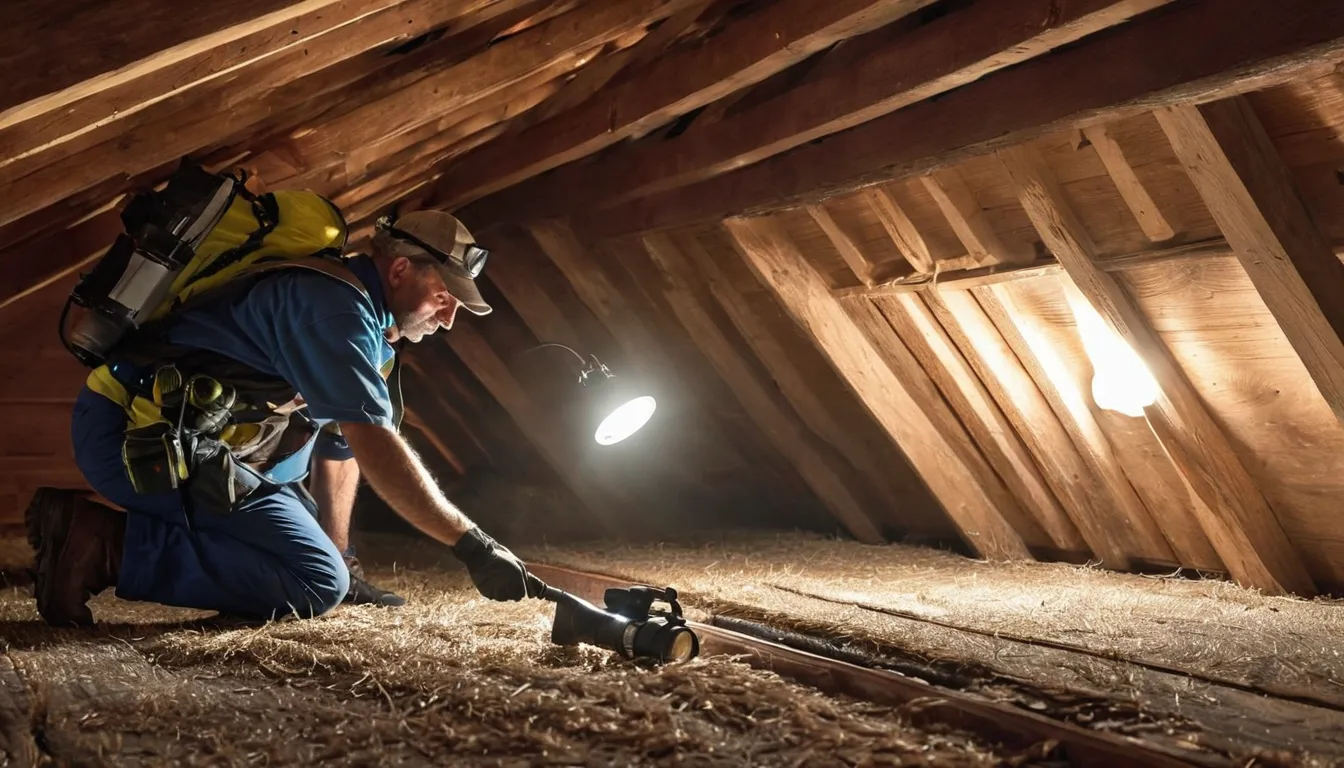
Something is scratching, thumping, or running inside your house, and you want to know what it is. Rodent and wildlife removal starts with finding the animal, the way it got in, and the damage it has already done. Mice, rats, squirrels, raccoons, and bats each need a different plan.
Thirtyrings Pest Control is a referral service. We do not do the work. We connect you with independent local providers in our network who handle inspections, trapping, humane removal, and sealing entry points. Many providers can respond quickly, but availability varies. Request a callback to check who is open near Louisville/Jefferson County metro government, or request an estimate and compare your options in the Louisville/Jefferson County metro government area.
Hearing Scratching in the Attic or Walls? Start Here
You lie in bed and hear a tiny patter overhead. Is it a mouse? A squirrel? Something bigger? Good news: you do not have to guess. A local provider can inspect, name the animal, and explain your options. The sooner someone looks, the smaller the job tends to be.
What Happens in the First Night?
An animal that just moved in is busy. It is exploring, testing food sources, and picking a nesting spot. Mice and rats leave droppings and chew marks right away. A squirrel or raccoon may start tearing at insulation. This is the easiest moment to act, because there is little damage and no nest yet.
Day by Day: How Fast Does It Grow?
Days 1 to 3
The animal settles in. It sets up travel routes along walls and beams. Droppings and rub marks build up along those paths.
Week 1 to 2
Nesting begins. Insulation gets flattened and shredded. Mice may have a litter on the way, so a pair can turn into a crowd within weeks. Wires and pipes start to look like chew toys.
Week 3 and Beyond
Odors, stains, and noise get harder to ignore. Contaminated insulation may need replacing. Chewed wiring is a real concern, so ask a provider to look for it. This is why timing changes the outcome.
Request a callback to talk through what you are hearing and to check which providers are available near you.
What Signs Should I Look For?
Spot it early. Ask the house. It usually tells you something:
- Scratching, thumping, or squeaking, often at dusk or dawn
- Droppings along baseboards, in cabinets, or in the attic
- Greasy rub marks along walls and entry holes
- Chewed wires, boxes, or insulation
- Musty or sharp odors that do not fade
- Pets staring at one spot on a wall
Which Animals Do Providers Handle?
Most providers in our network deal with mice and rats. Many also handle squirrels, raccoons, opossums, chipmunks, and bats. Each animal behaves differently. Squirrels are active by day. Raccoons are strong and can lift loose vents. Bats are small and can use very narrow gaps. A good plan matches the animal.
Why Do Older Homes Get Hit Harder?
Older houses have more ways in. Think of stone foundations that have shifted, gaps around old pipes, and rotted trim. Past repairs can hide surprises too. A patched wall may hide a nest. Rowhouses share walls, so an animal can travel next door. Basements with aging plumbing give rodents warm, damp routes. Freeze-thaw winters widen cracks every year.
What Does Removal Actually Look Like?
It usually follows a simple order. The provider inspects inside and out. They identify the animal and find every entry point. Then they trap or remove it, using methods that fit the species. Next they seal the gaps. Finally, they may suggest cleanup. Skipping the sealing step is a common reason animals return.
Is It Humane, and What About Local Rules?
Many providers prefer humane methods, such as one-way doors for squirrels and bats. Rules vary by state and town. Some animals cannot be moved or handled at certain times of year. Ask a provider how they follow local wildlife rules before work begins.
Does Baby Season Change the Plan?
Yes. In spring and early summer, a mother may have young inside. Removing only the adult can leave babies behind. A careful provider checks for young first. Cold snaps and storms can also push animals indoors in fall, so timing shifts with the seasons.
How Do I Choose a Provider?
Ask simple questions:
- Do they inspect the whole house, not just the noisy spot?
- Will they put the plan and price in writing?
- Do they seal entry points or only trap?
- Are they licensed where your state requires it?
Then compare two or three written quotes.
How Do I Keep Animals Out Afterward?
Trim branches back from the roof. Cap chimneys and screen vents. Store food and pet food in sealed bins. Keep basement and crawl-space doors closed. Walk the outside each fall and look for new gaps. Small habits stop big repeats.
What Should I Do Tonight?
Stay calm. Do not block holes while an animal may be inside. Keep pets and kids away from droppings. Write down what you hear and when. Then reach out to a provider. If you searched for an exterminator near me, know that rodent and wildlife removal often needs more than traps, so ask about sealing and cleanup too.
Request a callback to check provider availability in your area.
What's Included
Full Home Inspection
A provider checks the attic, walls, basement, and roofline to find the animal and every way it got in.
Trapping and Removal
Humane or standard methods matched to the species, within your local wildlife rules.
Sealing Entry Points
Gaps, vents, and rotted trim get closed so animals cannot simply return.
Cleanup and Repair
Many providers also handle droppings, damaged insulation, and chewed spots, or point you to someone who does.
What Rodent and Wildlife Removal Typically Costs
Prices depend on the animal, how many there are, and how hard your home is to reach. These are typical U.S. ranges only. Always get a written quote before work starts.
| Service | Typical range | Notes |
|---|---|---|
| Inspection | $100 – $300 | Some providers apply it to the job |
| Mouse control | $150 – $600 | Often needs follow-up visits |
| Rat control | $300 – $1,000 | Larger homes cost more |
| Squirrel or raccoon removal | $300 – $1,000 | Depends on trapping and young |
| Bat exclusion | $500 – $5,000 | Varies with home size and rules |
| Sealing entry points | $300 – $3,000 | Older homes often need more repairs |
How It Works
Share What You Hear
Request a callback to check availability, or request an estimate and describe the sounds, signs, and where they happen.
Provider Inspects the Home
The provider looks inside and outside to identify the animal and find entry points.
Removal Plan Begins
They trap or remove the animal using methods that fit the species and local rules.
Seal, Clean, and Check Back
Entry points get closed, cleanup is discussed, and follow-up visits are scheduled if needed.
Why Call Thirtyrings Pest Control
Damage Builds Day by Day
Nesting, chewing, and droppings grow quickly, so an early look usually means a smaller job.
Local Providers
Independent providers in our network know the animals and housing styles common in your area.
Clear Quotes
Request an estimate and compare written plans before choosing who does the work.
Older-Home Care
Providers can watch for hidden gaps, past patches, and aging materials that animals love.
Other Services
Need rodent and wildlife removal in Louisville/Jefferson County metro government?
Seeing pests or hearing noises in the walls? Send a request or reach out, and Thirtyrings Pest Control will point you to independent providers in your area.
No obligationRodent and Wildlife Removal FAQ
How do I know if it is a mouse, rat, or squirrel?
Timing and droppings help. Squirrels are noisy by day and leave larger, rounder marks. Mice and rats are mostly active at night. Rice-sized droppings suggest mice. A provider can confirm the animal during an inspection.
How long does rodent and wildlife removal take?
It depends on the animal and the home. Some jobs finish in a few visits over days or weeks. Sealing and cleanup can add time. Ask the provider for a written timeline and what to expect before work begins.
Does homeowners insurance cover animal damage?
It depends on your policy. Some policies may cover sudden damage, while many exclude pests and gradual wear. Check your policy and ask your agent. Providers can often help document damage for a claim.
Request a callback
Seeing pests or hearing noises in the walls? Send a request or reach out, and Thirtyrings Pest Control will point you to independent providers in your area.
No obligation